For asbestos air monitoring and post-abatement clearance services in Surrey and surrounding areas, Enviromax Asbestos Consulting provides professional testing for residential, commercial, renovation, and abatement projects. You can reach the team at 778-968-0258 or enviromax04@gmail.com. The office is located in Surrey, British Columbia, Canada.
What Is Asbestos Air Monitoring?
Asbestos air monitoring involves collecting air samples during or after asbestos-related work and having those samples analysed to determine whether airborne asbestos fibres are present.
The purpose is straightforward: to determine whether asbestos control measures are working and whether an area can be safely cleared following asbestos work.
In British Columbia, air monitoring is an important part of asbestos risk management, particularly during high-risk asbestos work. WorkSafeBC requires airborne asbestos fibre sampling during certain high-risk activities and requires clearance air sampling before containment is dismantled, subject to the applicable requirements.
Air monitoring may be performed:
- Before or during asbestos work to establish or assess airborne fibre levels
- Outside a containment to check that asbestos fibres are not spreading
- Within a containment during removal and cleanup
- After abatement as part of clearance procedures
- When additional monitoring is needed to confirm that control measures are effective
When Is Asbestos Air Monitoring Needed?
The type and frequency of monitoring depend on the work being performed, the condition of the asbestos-containing material, and the level of risk.
For high-risk asbestos work, WorkSafeBC requires airborne asbestos sampling in specified areas during the work. This can include areas outside the containment, the clean room, and contaminated areas inside the containment.
Clearance air sampling is also required in previously contaminated areas inside a containment before the containment is dismantled, except where the specific glove-bag exception applies. WorkSafeBC specifies that airborne asbestos fibre levels in these areas must not exceed 0.02 f/ml for this clearance requirement.
For lower-risk projects, the monitoring approach may be different. A qualified asbestos professional can determine what type of sampling and clearance documentation is appropriate for the work.
What Happens During Asbestos Air Monitoring?
A professional air monitoring process generally involves several steps.
1. Review of the Work Area
The qualified person reviews the scope of work, the asbestos-containing materials involved, the containment or work area, and the control measures being used.
The monitoring plan is then based on the specific conditions of the project rather than using the same sampling approach for every site.
2. Air Sample Collection
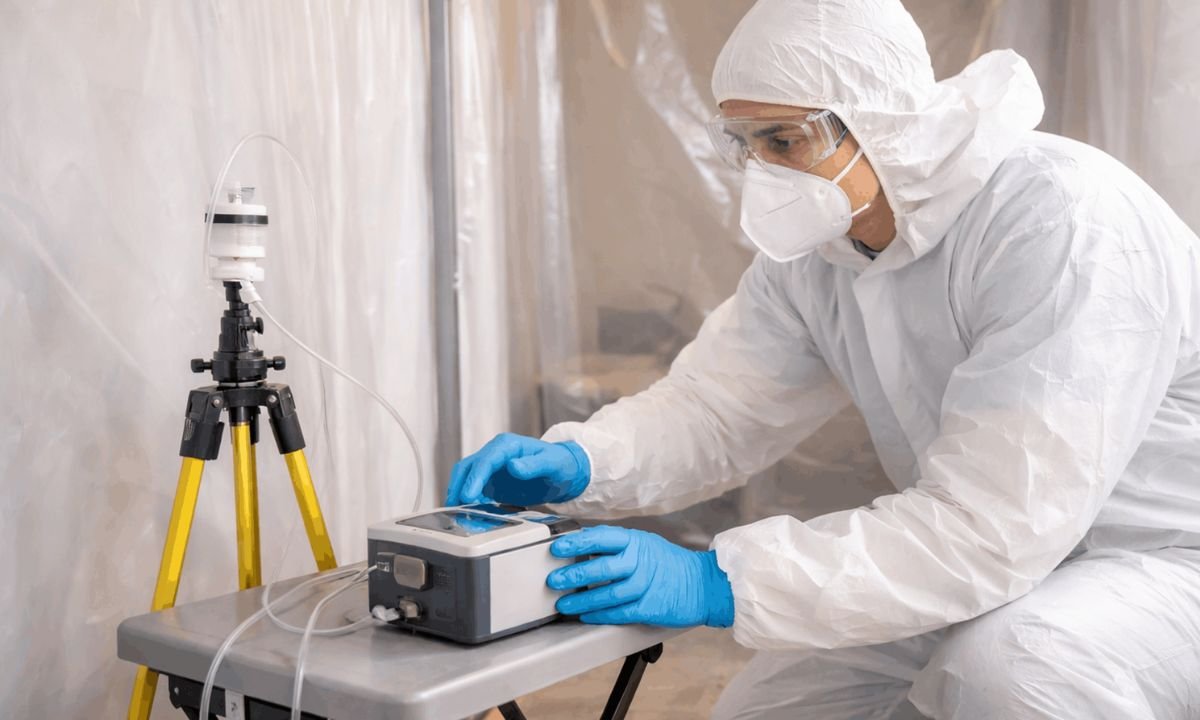
Air sampling equipment draws a measured volume of air through a filter. Samples may be collected at different locations depending on the project and the requirements of the monitoring plan.
For high-risk work, WorkSafeBC specifies sampling requirements for areas such as locations outside the containment, the clean room, and contaminated areas inside the containment.
3. Laboratory Analysis
The collected samples are analysed using an appropriate occupational hygiene method to determine the airborne fibre concentration.
WorkSafeBC requires asbestos air sampling and analysis to use occupational hygiene methods acceptable to the Board.
4. Results and Documentation
The results are documented along with relevant project information, sampling locations, and other observations.
For post-abatement clearance, WorkSafeBC guidance indicates that the written confirmation should include information such as the project address, abatement contractor, scope of work, clearance sampling results, and the person responsible for the final inspection and sampling.
Air Monitoring During Asbestos Removal
During high-risk asbestos work, air monitoring helps determine whether the controls being used are effectively preventing asbestos fibres from spreading beyond the work area.
WorkSafeBC requires sampling outside the containment at least daily when unprotected workers are in the vicinity, as well as sampling in the clean room and, when necessary, inside the containment.
This is particularly important where containment, negative air systems, decontamination procedures, and other controls are being used.
Air monitoring is not a substitute for proper asbestos removal procedures. It is one part of a larger exposure-control program.
Post-Abatement Clearance Air Testing
After asbestos removal and cleanup have been completed, clearance testing helps confirm that the previously contaminated area is suitable for the next stage of the project.
For applicable high-risk work, WorkSafeBC requires clearance air sampling before the containment is dismantled. The airborne asbestos fibre level in the previously contaminated area must not exceed 0.02 f/ml under the applicable regulation.
A clearance process may also include a visual inspection of the work area and review of the completed abatement work.
The final documentation should clearly identify the work performed, sampling results, and the qualified person responsible for the clearance.
What If the Air Test Does Not Pass?
If the clearance results do not meet the applicable requirement, the area should not simply be opened or the containment dismantled.
The cause of the result needs to be investigated. Additional cleaning or other corrective measures may be required before another inspection and air test is performed.
This is one reason independent monitoring and proper documentation are important on asbestos projects.
Do You Need an Asbestos Survey as Well?
Air monitoring and asbestos surveys serve different purposes.
An asbestos survey or hazardous materials inspection is used to identify asbestos-containing materials and determine where they are located.
Air monitoring measures airborne asbestos fibres associated with asbestos work or a specific project.
For renovation, demolition, or other work that could disturb building materials, identifying asbestos before work begins is critical. WorkSafeBC requires a qualified person to inspect a site for asbestos-containing materials before certain demolition, renovation, or salvage activities.
If asbestos is identified, the appropriate work procedures, controls, and qualified personnel need to be established before the work proceeds.
READ RELTED: Air Monitoring for Asbestos in Burnaby, BC
Who Can Perform Asbestos Air Monitoring in Surrey?
Air monitoring should be carried out by a qualified person with the appropriate education, training, and experience in asbestos assessment and air sampling.
WorkSafeBC specifically identifies the collection and interpretation of air samples during asbestos abatement projects as work that should be performed by a qualified person with appropriate education, training, and experience in managing and controlling asbestos hazards.
When selecting a consultant, ask about:
- Relevant asbestos training and qualifications
- Experience with similar projects
- Sampling and analytical methods used
- The laboratory performing the analysis
- The type of clearance documentation provided
- Familiarity with current WorkSafeBC requirements
How Much Does Asbestos Air Monitoring Cost in Surrey?
There is no single price for asbestos air monitoring.
The cost depends on the size and complexity of the project, the number of samples required, travel, the type of asbestos work, laboratory analysis, and whether additional testing is needed.
For this reason, it is better to request a project-specific quote rather than relying on a generic online price.
When comparing quotes, make sure you understand exactly what is included. A lower price may not include the same number of samples, laboratory analysis, reporting, or clearance services.
Why Professional Air Monitoring Matters
Asbestos fibres are too small to be seen with the naked eye. A work area can look clean without providing enough information to determine whether airborne asbestos fibres remain.
Professional monitoring provides documented sampling and analysis that can be used as part of the project’s asbestos control and clearance process.
WorkSafeBC also requires the results of air samples taken during high-risk work to be made available to the workers involved within 24 hours of completing the sample collection.
Asbestos Air Monitoring in Surrey and the Lower Mainland
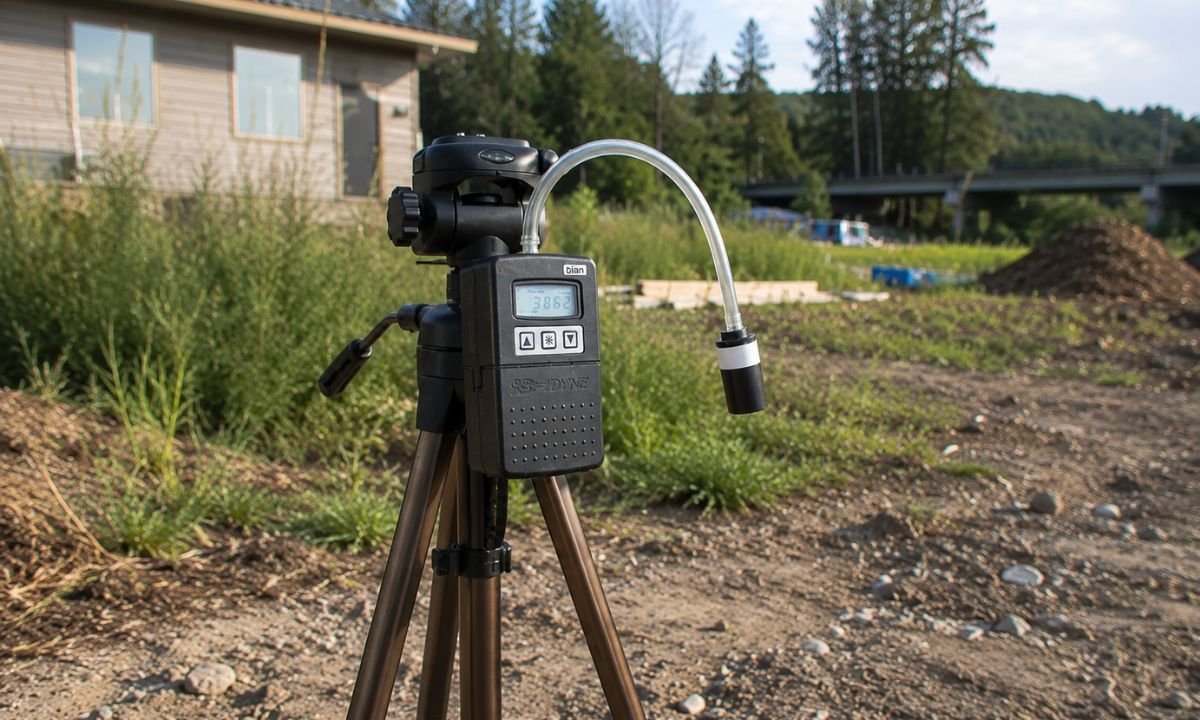
Enviromax Asbestos Consulting provides asbestos testing and consulting services for property owners, contractors, businesses, and other clients throughout Surrey and surrounding communities.
Whether you are preparing for renovation, managing an asbestos abatement project, or need post-abatement clearance documentation, the appropriate monitoring approach depends on the work being performed and the conditions at the site.
If you are unsure whether air monitoring is required for your project, it is best to discuss the work with a qualified asbestos professional before disturbing suspected asbestos-containing materials.
Frequently Asked Questions
Is asbestos air monitoring required in Surrey, BC?
Air monitoring is required in certain circumstances under WorkSafeBC’s OHS Regulation, particularly during high-risk asbestos work. Specific sampling requirements also apply before dismantling containment following applicable high-risk work.
What is the clearance level for asbestos air testing in BC?
For clearance air sampling covered by the applicable WorkSafeBC requirement, airborne asbestos fibre levels must not exceed 0.02 f/ml before the containment can be dismantled.
How long does asbestos air monitoring take?
The time depends on the size and complexity of the project, the number of samples required, and laboratory turnaround. A straightforward project may be completed relatively quickly, while larger abatement projects can require substantially more time.
Do I need an asbestos survey before renovation?
If renovation or demolition could disturb asbestos-containing materials, the site should be assessed before work begins. WorkSafeBC requires a qualified person to inspect certain renovation, demolition, and salvage projects for asbestos-containing materials.
Can air monitoring be done after asbestos removal?
Yes. Post-abatement clearance air sampling is used for applicable asbestos removal projects to help confirm that the work area meets the required clearance criteria before containment is dismantled.
What happens if clearance testing fails?
The area should remain under the required controls while the cause is addressed. Additional cleaning, inspection, and testing may be necessary before the area can be cleared.
Does Enviromax provide asbestos air monitoring in Surrey?
Enviromax Asbestos Consulting provides asbestos testing and consulting services in Surrey and surrounding areas. Contact the team at 778-968-0258 or enviromax04@gmail.com to discuss your project and determine the appropriate testing requirements.
Final Takeaway
Asbestos air monitoring provides important information about airborne fibre levels during and after asbestos-related work. In British Columbia, specific monitoring and clearance requirements apply to high-risk asbestos activities, and the correct approach depends on the type of work and the conditions at the site.
If you are planning renovation, demolition, asbestos removal, or post-abatement work in Surrey, arrange the appropriate asbestos assessment and monitoring before the work begins.
Enviromax Asbestos Consulting
Surrey, British Columbia, Canada
Phone: 778-968-0258
Email: enviromax04@gmail.com
READ RELATED: Air Monitoring for Asbestos in Richmond, BC