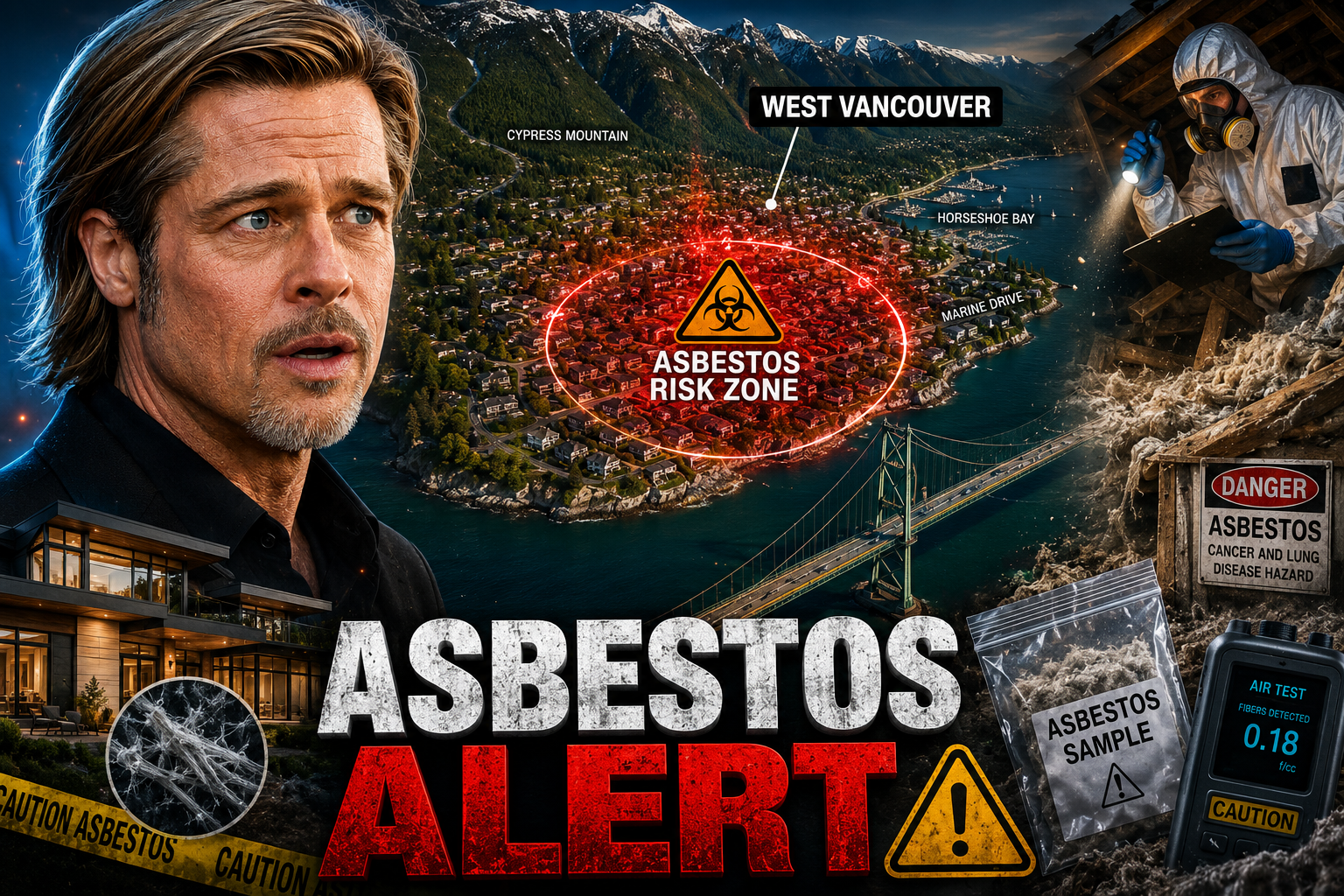
If you own or are planning to renovate a home in West Vancouver built before the 1990s, there is a critical safety step you cannot afford to overlook: Residential Asbestos Testing in West Vancouver. While many older homes in our beautiful coastal region are architectural gems, they often contain hidden materials that can pose significant health risks if disturbed.
Whether you are planning a kitchen remodel, upgrading your insulation, or simply concerned about the air quality in your home, understanding the role of professional testing is your first line of defense. In this guide, we will explore why testing is necessary, where asbestos is typically found, and how you can protect your family while keeping your property compliant with British Columbia’s safety regulations.
Why Residential Asbestos Testing in West Vancouver Matters
For decades, asbestos was hailed as a “miracle material” due to its fire resistance, insulation properties, and durability. However, we now know that when materials containing asbestos—known as Asbestos-Containing Materials (ACMs)—are damaged, sawed, sanded, or demolished, they release microscopic, jagged fibers into the air.
When these fibers are inhaled, they can become permanently lodged in the lungs, leading to severe, long-term health issues like asbestosis, lung cancer, and mesothelioma. Because symptoms often do not appear for 20 to 30 years after the initial exposure, prevention is the only truly effective strategy.
The Regulatory Reality
In British Columbia, WorkSafeBC regulations are strict. If you are planning any renovation or demolition in a home built before 1990, you are legally required to ensure that a professional assessment has been conducted. Ignoring this step does not just put your health at risk; it can lead to project delays, stop-work orders, significant fines, and expensive remediation costs.
Common Locations of Asbestos in Older Homes
You cannot identify asbestos by sight alone. It is often mixed with other substances, making it effectively invisible to the naked eye. If your home was constructed before 1990, it is prudent to assume that certain areas may contain asbestos until a laboratory report proves otherwise.
Common “hotspots” in West Vancouver properties include:
- Vermiculite Insulation: Often found in attics, some brands (like Zonolite) are notorious for asbestos contamination.
- Textured Ceilings: The classic “popcorn” ceiling used frequently in the 1960s and 70s often contains high levels of asbestos.
- Flooring Materials: 9×9 inch vinyl floor tiles and the black mastic (adhesive) used to glue them down are frequent offenders.
- Pipe and Furnace Insulation: Older heating systems often used asbestos-containing paper, blankets, or tape to insulate steam pipes and ducts.
- Drywall Joint Compound: The “mud” used to finish walls in older homes frequently contained asbestos, meaning that even light sanding during a renovation can release dangerous dust.
- Exterior Siding and Roofing: Certain cement-based siding and roofing shingles may contain asbestos fibers.
The Professional Testing Process: What to Expect
If you suspect your home has asbestos, the most important rule is: Do not touch it. Disturbing the material is what causes the danger. Instead, hire a certified environmental professional. The professional testing process typically follows a clear, safe protocol:
- Initial Site Assessment: A trained inspector will evaluate the age of your building and identify all “suspect” materials based on your planned renovation scope.
- Controlled Sampling: Professionals use specialized tools and personal protective equipment (PPE) to collect tiny, representative samples of the material without releasing fibers into the air.
- Laboratory Analysis: These samples are sent to an accredited, third-party laboratory. They use advanced microscopic techniques (such as Polarized Light Microscopy) to identify the specific type and concentration of asbestos.
- Detailed Reporting: You will receive a comprehensive report. This document is essential for your contractors and is your proof of due diligence should you ever sell the home or be audited by safety officials.
READ MORE: Residential Asbestos Testing North Vancouver: A Homeowner’s Guide to Safety and Compliance
What to Do If Asbestos Is Found
Finding asbestos in your home might feel alarming, but it is important to stay calm. The mere presence of asbestos does not necessarily mean it must be removed.
- Leave It Undisturbed: If the asbestos-containing material is in good condition—meaning it is not crumbling, fraying, or damaged—it is often safest to leave it alone.
- Management Plan: If the material is in a high-traffic area, you may choose to encapsulate (seal) it or cover it to prevent future damage.
- Professional Abatement: If you are planning a renovation that requires disturbing the material, you must hire a licensed asbestos abatement contractor. These professionals use negative air machines, specialized containments, and wet-removal techniques to ensure that no fibers escape the work zone.
Frequently Asked Questions (FAQ)
Can I perform a DIY test for asbestos?
No. DIY test kits are rarely accurate and, more importantly, they put you at risk of exposure. Attempting to take a sample yourself can release fibers that will circulate in your home’s air long after you think the task is finished.
How much does residential asbestos testing cost?
While the price can vary depending on the number of samples required and the size of your property, professional testing is a relatively modest investment compared to the potential costs of health issues or legal penalties. It is always best to contact a local West Vancouver environmental firm for a personalized quote.
Does having asbestos hurt my property value?
Transparency is key. Having a professional test and, if necessary, an abatement report provides prospective buyers with peace of mind. It shows that you have managed the property responsibly, which is often seen as a positive rather than a deterrent.
Conclusion: Your Safety is the Priority
For homeowners in West Vancouver, Residential Asbestos Testing is more than just a box to check on a renovation permit; it is a vital step in maintaining a healthy, safe, and compliant household. By identifying potential hazards early, you protect your family’s health and ensure that your home improvement projects proceed smoothly and safely.
If you are planning any work on a home built before 1990, reach out to a local, certified inspection company today. Remember, when it comes to asbestos, knowledge is the best way to keep your home a safe sanctuary.
READ MORE: Residential Asbestos Testing in Maple Ridge: A Homeowner’s Guide to Safety and Compliance