If you are planning a renovation, demolition, or asbestos abatement project in Port Coquitlam, air monitoring can help determine whether asbestos fibres are present in the air during or after the work. Enviromax Asbestos Consulting provides asbestos air monitoring, clearance testing, and related asbestos assessment services for residential and commercial properties in Port Coquitlam and surrounding areas. For more information, call +1 778 968 0258 or email Enviromax04@gmail.com. Our office is located in Surrey, British Columbia, Canada.
What Is Asbestos Air Monitoring?
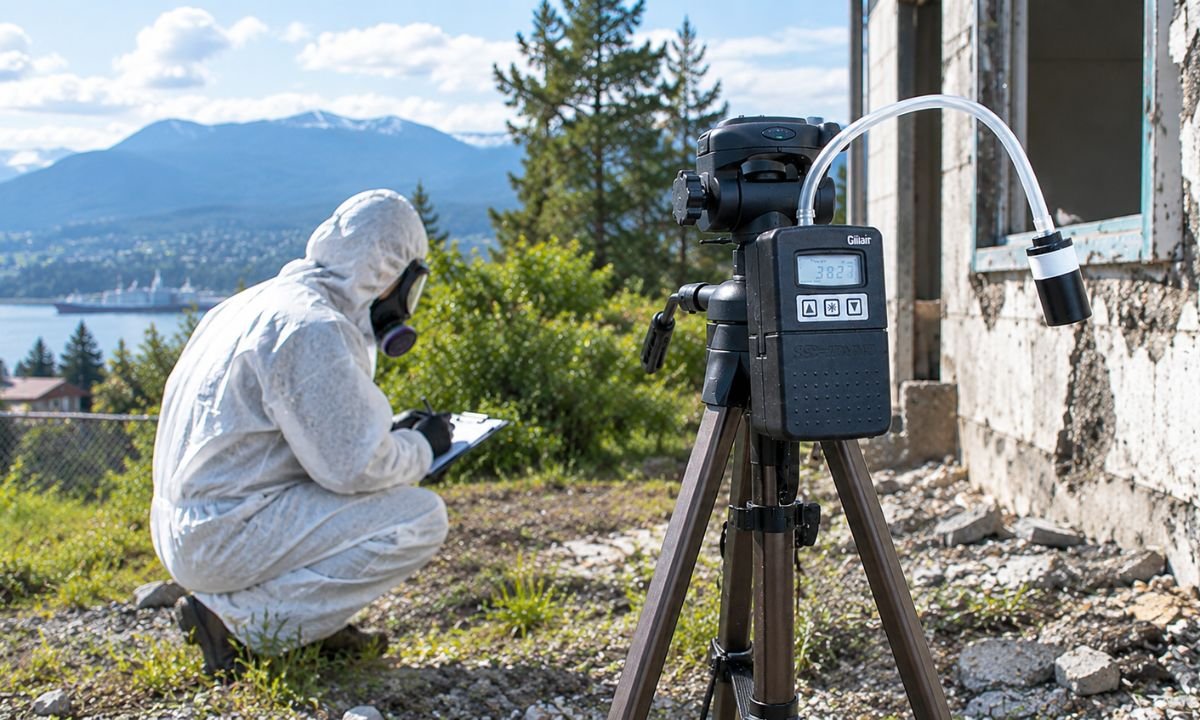
Asbestos air monitoring involves collecting air samples to measure airborne fibre levels during or after asbestos-related work.
A qualified professional uses calibrated air-sampling equipment to collect a measured volume of air. The sample is then analysed by a laboratory using an appropriate testing method. The results help determine whether asbestos fibres are being adequately controlled and, where applicable, whether an area is suitable for re-occupancy after abatement.
Air monitoring is different from asbestos testing. Bulk asbestos testing examines building materials to determine whether they contain asbestos, while air monitoring measures fibres in the air.
Both may be required at different stages of a renovation or abatement project.
When Is Asbestos Air Monitoring Needed?
The need for air monitoring depends on the type of work being performed, the materials involved, and the level of asbestos exposure risk.
It may be required or appropriate when:
- Asbestos-containing materials are being removed or disturbed
- An asbestos abatement project is underway
- Workers could be exposed to airborne asbestos fibres
- A containment area needs to be monitored
- Post-abatement clearance testing is required before an area is re-occupied
- Documentation is needed for a renovation or demolition project
Before renovation or demolition work begins, a hazardous materials assessment should be completed where asbestos may be present. The assessment helps determine what materials need to be tested and what controls are required for the planned work.
Why Asbestos Monitoring Matters in Port Coquitlam
Many homes and commercial buildings in Port Coquitlam were constructed during periods when asbestos was commonly used in building products.
It may be present in materials such as:
- Textured ceiling and wall coatings
- Vinyl floor tiles and adhesives
- Pipe and duct insulation
- Drywall joint compound
- Vermiculite insulation
- Cement products
- Roofing materials
Asbestos cannot be reliably identified just by looking at a material. If older building materials will be disturbed during renovation, testing should be completed before work begins.
For larger renovation, demolition, or abatement projects, air monitoring can provide additional information about whether asbestos fibres are being effectively controlled during the work.
Types of Asbestos Air Monitoring
The type of monitoring required depends on the project.
Occupational Air Monitoring
Occupational monitoring measures potential asbestos exposure to workers performing asbestos-related work. Samples may be collected using pumps worn by workers or positioned within the work area.
Ambient or Perimeter Monitoring
Ambient monitoring checks areas outside the containment or work zone. It can help identify whether fibres are escaping into adjacent areas or occupied spaces.
Air Clearance Testing
Clearance testing takes place after asbestos abatement and cleanup are complete. Air samples are collected and analysed to determine whether the area meets the applicable clearance requirements before it is returned to normal use.
The monitoring plan should be determined by the qualified professional based on the specific project rather than applying the same sampling approach to every job.
How the Air Monitoring Process Works
The process will vary depending on the size and risk level of the project, but it generally includes the following steps:
1. Review the Property and Project
A qualified professional reviews the building, planned renovation or demolition work, and any available hazardous-material information.
2. Identify and Test Suspected Materials
Where necessary, samples of suspected asbestos-containing materials are collected and submitted to a laboratory for analysis.
3. Establish the Monitoring Plan
If asbestos is identified and work will disturb the material, the appropriate monitoring and control procedures are established for the project.
4. Monitor During Abatement
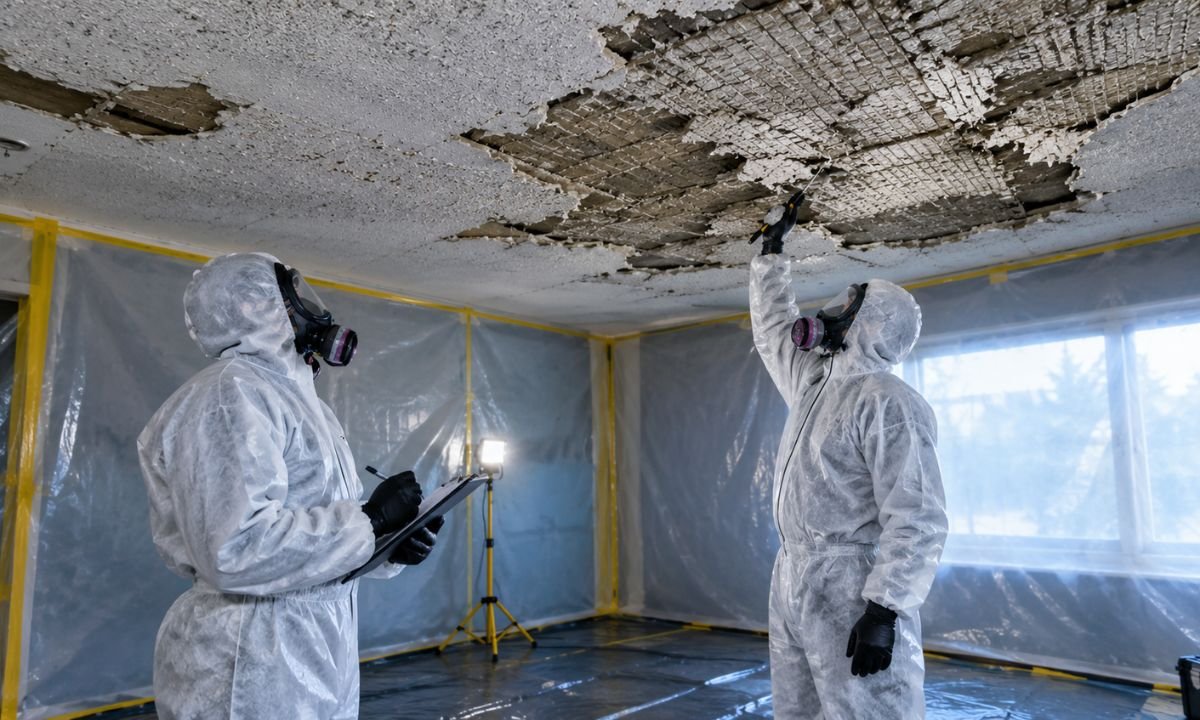
Air samples may be collected inside the work area and, where appropriate, in surrounding areas to assess airborne fibre levels and the effectiveness of containment and control measures.
5. Perform Clearance Testing
After asbestos removal and cleanup are complete, clearance air sampling may be performed before the area is released for re-occupancy.
6. Provide Documentation
The sampling results and applicable reports are provided to the client for their project records and, where required, regulatory or permit documentation.
Air Monitoring vs. Asbestos Testing
These services are often confused, but they answer different questions.
| Service | What It Determines |
| Asbestos testing | Whether a building material contains asbestos |
| Air monitoring | Whether asbestos fibres are present in the air |
| Air clearance | Whether the area meets applicable post-abatement clearance requirements |
For example, if you are renovating an older bathroom, bulk sampling may first be used to determine whether flooring, drywall compound, or other materials contain asbestos. If asbestos abatement is required, air monitoring and post-abatement clearance may then be appropriate depending on the project.
What Happens If Clearance Testing Does Not Pass?
If post-abatement air clearance results do not meet the applicable requirements, the area should not simply be reopened.
The abatement contractor may need to perform additional cleaning or corrective work. Further air sampling can then be completed to determine whether the area meets the required clearance criteria.
The exact response depends on the test results, the project conditions, and the applicable requirements.
How Much Does Asbestos Air Monitoring Cost in Port Coquitlam?
There is no single price for asbestos air monitoring because the cost depends on the project.
Factors that can affect the price include:
- Size of the work area
- Type and amount of asbestos-containing material
- Number of samples required
- Duration of the abatement work
- Number of monitoring locations
- Laboratory analysis
- Clearance testing requirements
- Whether standard or expedited laboratory service is needed
For this reason, it is better to request a project-specific quote rather than relying on a fixed price.
How Long Does Air Monitoring Take?
The timeline depends on the scope of the work and laboratory turnaround.
A straightforward residential assessment may take only a few hours on site, while a larger commercial or abatement project may require monitoring throughout the work.
Clearance testing is normally scheduled after removal and final cleanup are complete. Laboratory turnaround can vary depending on the testing method and whether expedited service is requested.
Planning the testing in advance can help prevent unnecessary renovation delays.
Port Coquitlam Asbestos Requirements
Asbestos-related renovation and demolition work in British Columbia is subject to WorkSafeBC requirements, including requirements relating to hazardous materials assessments, worker protection, asbestos exposure control, and qualified professionals.
Municipal permit requirements may also apply to renovation and demolition projects in Port Coquitlam.
Because requirements can vary depending on the type of project and building, property owners and contractors should confirm the current requirements that apply to their specific work before starting.
For current regulatory information, refer to WorkSafeBC and the City of Port Coquitlam.
Who Should Arrange Asbestos Air Monitoring?
Air monitoring may be relevant to several types of projects, including:
Homeowners
If you are renovating an older home, asbestos testing should be considered before disturbing building materials. Where asbestos abatement is required, appropriate monitoring and clearance procedures may also be needed.
Contractors
Contractors working on renovation or demolition projects need to understand the asbestos hazards associated with the materials they may disturb. Appropriate assessment and monitoring can help support a safer work environment and regulatory compliance.
Property Managers
Multi-unit residential and commercial properties can require additional planning because asbestos work may affect workers, tenants, neighbouring spaces, and common areas.
READ RELATED: Air Monitoring for Asbestos in New Westminster, BC
Common Mistakes to Avoid
A few mistakes can create unnecessary risks and delays:
Starting renovation before asbestos is assessed.
Do not assume an older building is asbestos-free. Have suspected materials assessed before they are disturbed.
Relying on appearance.
Asbestos-containing materials can look similar to non-asbestos materials. Visual inspection alone cannot confirm whether asbestos is present.
Choosing an abatement contractor without checking qualifications.
Where asbestos removal is required, make sure the contractor meets the applicable WorkSafeBC requirements.
Skipping post-abatement clearance when it is required.
Completing the physical removal does not necessarily mean the area is ready for normal use. Appropriate clearance procedures should be completed where required.
Leaving documentation until the end.
Plan testing, monitoring, laboratory work, and required reports before the project starts.
Frequently Asked Questions
Do I need asbestos air monitoring for a small renovation in Port Coquitlam?
Not every small renovation requires the same type of air monitoring. The requirement depends on the materials being disturbed and the risk associated with the work. If asbestos may be present, have the materials assessed before renovation begins.
What is the difference between asbestos testing and air monitoring?
Asbestos testing examines a piece of building material to determine whether it contains asbestos. Air monitoring measures airborne fibres during or after asbestos-related work.
Can asbestos air monitoring be done after the renovation?
If asbestos-containing materials were disturbed, appropriate assessment and testing should ideally take place before and during the work. Post-abatement air clearance may also be required before an area is returned to normal use.
How long does asbestos air monitoring take?
The time depends on the project. A residential job may require only a few hours of on-site work, while larger projects may require monitoring throughout the abatement process.
What happens if air clearance testing fails?
Additional cleaning or corrective work may be required before another clearance sample is collected. The appropriate response depends on the test results and project conditions.
Can I identify asbestos by looking at it?
No. The appearance of a material is not enough to confirm whether it contains asbestos. Laboratory analysis of an appropriate bulk sample is used for confirmation.
Do older homes in Port Coquitlam contain asbestos?
Some do. Asbestos was widely used in many types of building materials in older homes and commercial buildings. However, the age of a property alone cannot confirm whether asbestos is present.
Do I need an asbestos assessment before renovation?
If renovation or demolition could disturb materials that may contain asbestos, an appropriate hazardous materials assessment should be considered before work begins. The assessment helps determine whether additional testing, controls, or abatement are required.
Planning Asbestos Work in Port Coquitlam?
If you are preparing for a renovation, demolition, or asbestos abatement project in Port Coquitlam, arranging the appropriate assessment and monitoring before work begins can help protect workers, occupants, and your project timeline.
Enviromax Asbestos Consulting provides asbestos testing, air monitoring, and post-abatement clearance services for residential and commercial properties.
Call +1 778 968 0258 or email Enviromax04@gmail.com to discuss your project.
Important Information
Asbestos requirements can vary depending on the building, materials, type of work, and level of risk. This article provides general information and should not be treated as project-specific regulatory or safety advice. For a renovation or demolition project, consult an appropriately qualified asbestos professional and confirm the current requirements that apply to your property.
Official References
- WorkSafeBC — Asbestos information and requirements
- WorkSafeBC — Occupational Health and Safety Regulation
- City of Port Coquitlam — Building and demolition requirements
- Health Canada — Asbestos in the home
READ MORE: Air Monitoring for Asbestos in Coquitlam, BC