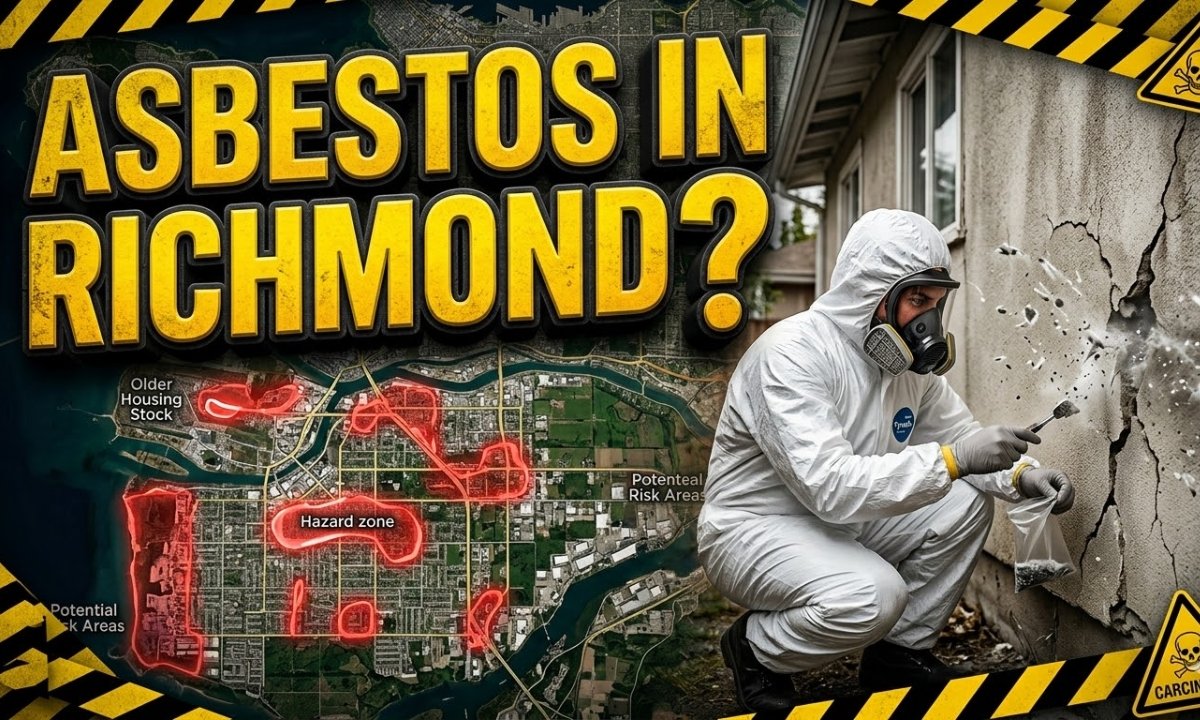
Asbestos Testing Richmond is an essential service for homeowners, landlords, and businesses that want to ensure their properties are safe from hazardous materials. Many buildings constructed before the late 1980s contain asbestos in various construction materials. While asbestos was once widely used for insulation and fire resistance, it is now recognized as a dangerous substance when disturbed.
In Richmond, British Columbia, strict safety regulations require property owners and contractors to check for asbestos before renovation, demolition, or major construction work. Without proper testing, disturbing asbestos materials can release microscopic fibers into the air, posing serious health risks.
Professional asbestos testing identifies whether asbestos is present in building materials such as insulation, drywall, flooring, or ceiling tiles. Certified inspectors collect small samples and send them to accredited laboratories for detailed analysis. The results help determine whether asbestos management or removal is necessary.
Testing is particularly important for older residential homes, commercial buildings, and industrial facilities. Many properties built before 1990 still contain asbestos materials hidden behind walls, ceilings, or insulation layers.
By conducting Asbestos Testing Richmond, property owners can protect occupants, workers, and families from exposure while ensuring compliance with provincial regulations.
What Is Asbestos and Why Was It Used in Buildings
Asbestos is a group of naturally occurring minerals made up of microscopic fibers. These fibers are extremely durable and resistant to heat, chemicals, and electricity. Because of these properties, asbestos became a popular construction material throughout the 20th century.
Builders used asbestos in thousands of products, including insulation, roofing materials, cement, and floor tiles. Its ability to resist fire made it particularly attractive for residential and commercial construction projects.
Common Types of Asbestos Materials
There are several types of asbestos minerals, but the most commonly used ones include:
- Chrysotile (White Asbestos) – Most frequently used in construction materials
- Amosite (Brown Asbestos) – Often found in insulation boards and cement sheets
- Crocidolite (Blue Asbestos) – Used in specialized insulation applications
These materials were added to construction products to increase durability and fire resistance.
READ MORE: Asbestos Testing in Surrey BC
Why Asbestos Was Popular in Construction
Asbestos became widely used because it offered several advantages:
- High resistance to heat and fire
- Excellent insulation properties
- Strong and durable fibers
- Affordable manufacturing costs
However, once the health dangers became clear, governments around the world began restricting its use. Canada officially banned asbestos-containing products in 2018, although many older structures still contain it.
Health Risks Associated with Asbestos Exposure
Asbestos becomes dangerous when its fibers are released into the air. When inhaled, these microscopic particles can become trapped in the lungs and cause severe health problems over time.
Exposure may occur during renovations, demolition, or even simple repairs if asbestos-containing materials are disturbed.
Long-Term Diseases Linked to Asbestos
Prolonged exposure to asbestos fibers can lead to several serious illnesses:
- Mesothelioma – A rare and aggressive cancer affecting the lining of the lungs
- Lung cancer – Increased risk for individuals exposed to asbestos fibers
- Asbestosis – Chronic lung disease causing breathing difficulties
- Pleural thickening – Scarring of lung tissue
These conditions often take decades to develop, making prevention and early detection critical.
READ MORE: Asbestos Testing in Coquitlam
Why Early Detection Matters
Testing for asbestos before disturbing materials significantly reduces the risk of exposure. Early identification allows professionals to safely manage or remove asbestos-containing materials before they become hazardous.
Buildings in Richmond Most Likely to Contain Asbestos
Properties built before the 1990s are the most likely to contain asbestos materials. In Richmond, many residential homes, apartment buildings, and commercial facilities constructed during earlier decades still include asbestos in their structure.
Homes Built Before the 1990s
Older homes frequently contain asbestos in areas such as:
- Ceiling textures (popcorn ceilings)
- Vinyl floor tiles
- Wall insulation
- Roofing materials
Homeowners planning renovations should always conduct asbestos testing first.
Commercial and Industrial Buildings
Factories, warehouses, and office buildings may contain asbestos in insulation systems, fireproofing materials, and structural components.
Because these buildings often undergo upgrades or renovations, testing is essential to maintain worker safety.
Common Locations Where Asbestos May Be Found
Asbestos can be hidden in many parts of a building. Professional inspectors know where to look and how to safely collect samples.
Insulation and HVAC Systems
Older heating systems and pipes often contain asbestos insulation because of its heat-resistant properties.
Flooring, Ceiling Tiles, and Drywall
Asbestos fibers were commonly mixed into flooring adhesives, ceiling tiles, and drywall compounds to increase durability.
These materials remain safe if undisturbed, but renovation work can release harmful fibers into the air.
The Complete Process of Asbestos Testing Richmond
Professional asbestos testing follows a systematic process designed to identify hazardous materials safely and accurately.
Professional Inspection
Certified inspectors evaluate the property to identify potential asbestos-containing materials. They assess the building’s age, structure, and construction materials.
Safe Sample Collection
Inspectors wear protective equipment and carefully collect small samples from suspected materials. Proper procedures ensure fibers are not released during sampling.
Laboratory Analysis
Samples are sent to accredited laboratories where experts analyze them using advanced techniques such as Polarized Light Microscopy (PLM).
Detailed Report and Recommendations
After analysis, the testing company provides a report that includes:
- Locations of tested materials
- Percentage of asbestos present
- Safety recommendations
- Management or removal options
This report helps property owners decide the safest next steps.
Average Cost of Asbestos Testing Richmond
The cost of asbestos testing varies depending on several factors.
Factors Affecting Testing Cost
- Number of samples required
- Property size
- Type of building
- Laboratory analysis fees
Asbestos Testing Richmond Regulations and Compliance
In British Columbia, asbestos management is regulated by WorkSafeBC. Property owners must follow strict safety guidelines when dealing with asbestos-containing materials.
Before renovation or demolition work begins, a hazardous materials survey is often required.
You can review official guidelines here:
https://www.worksafebc.com
Failure to follow these regulations can result in fines and legal liability.
DIY Asbestos Testing vs Professional Testing
Some homeowners consider testing kits, but professional services are generally safer and more reliable.
Pros and Cons of DIY Kits
Pros
- Lower cost
- Easy to purchase online
Cons
- Risk of exposure
- Improper sampling methods
- Potentially inaccurate results
Benefits of Hiring Certified Inspectors
Professional testing ensures:
- Safe sample handling
- Accurate laboratory analysis
- Compliance with local safety laws
What Happens if Asbestos Is Found
Finding asbestos does not always mean immediate removal is required.
Encapsulation
A sealant is applied to prevent fibers from becoming airborne.
Enclosure
A protective barrier is built around asbestos-containing materials.
Professional Asbestos Removal
Licensed contractors safely remove and dispose of asbestos materials following regulatory guidelines.
Choosing the Best Asbestos Testing Company in Richmond
Selecting the right company ensures accurate testing and safe procedures.
Certifications and Experience
Look for companies with trained inspectors and experience handling hazardous materials.
Laboratory Accreditation
Reputable testing services partner with certified laboratories to ensure reliable results.
Preventive Safety Tips for Property Owners
To reduce asbestos risks:
- Avoid disturbing old insulation or ceiling textures
- Test materials before renovation projects
- Hire certified professionals for inspections
- Follow local safety regulations
Prevention and early detection are the best ways to protect occupants.
FAQs
How long does asbestos testing take?
Most inspections take one to two hours, while lab results usually arrive within two to three days.
Is asbestos testing required before renovations in Richmond?
Yes, many renovation and demolition projects require asbestos surveys to comply with safety regulations.
Can asbestos be left in place if it is not damaged?
Yes, asbestos materials that are intact and undisturbed may remain safely in place if properly managed.
How accurate are asbestos laboratory tests?
Accredited laboratories use advanced techniques that provide highly accurate results.
What should I do if asbestos is found in my home?
Consult certified asbestos professionals to determine whether encapsulation, enclosure, or removal is the best option.
Is asbestos still used in construction today?
Canada banned asbestos-containing products in 2018, but older buildings may still contain them.
Conclusion
Asbestos Testing Richmond is a crucial step in maintaining safe living and working environments. Many older properties in Richmond still contain asbestos materials that can pose serious health risks if disturbed.
Professional testing allows property owners to identify hazardous materials before renovation or demolition projects begin. By following WorkSafeBC regulations and hiring certified inspectors, homeowners and businesses can ensure safe handling of asbestos-containing materials.
Ultimately, asbestos testing protects not only the property itself but also the health of everyone who lives or works inside it.