
why Is Asbestos Testing Required Before Demolition or Renovation? Learn the 7 critical reasons asbestos inspections are legally required before construction work begins.
Renovating or demolishing a building may seem straightforward, but hidden hazards can turn a simple project into a serious health risk. One of the most dangerous materials found in older structures is asbestos. This is why asbestos testing is required before demolition or renovation in many countries and regions.
Buildings constructed before the 1990s often contain asbestos in insulation, ceiling tiles, flooring, roofing materials, and pipe wraps. When these materials are disturbed during renovation or demolition, microscopic asbestos fibers can be released into the air. Once inhaled, these fibers can cause severe diseases years later.
Understanding why asbestos testing is required before demolition or renovation is essential for property owners, contractors, and developers. Let’s explore the key reasons.
Understanding Asbestos and Its Historical Use
What Is Asbestos?
Asbestos is a group of naturally occurring minerals made of thin, durable fibers. These fibers are heat-resistant, fireproof, and chemically stable, which made asbestos extremely popular in construction during the 20th century.
Common properties include:
- Fire resistance
- Insulation capability
- High durability
- Low cost
Because of these qualities, asbestos was widely used in residential, commercial, and industrial buildings.
READ MORE: Asbestos Testing in Vancouver
Common Places Asbestos Is Found in Buildings
Asbestos can be present in many construction materials, including:
| Building Material | Possible Asbestos Content |
| Insulation | Pipe insulation, boiler insulation |
| Ceiling tiles | Acoustic ceiling panels |
| Flooring | Vinyl tiles and adhesives |
| Roofing | Shingles and roofing felt |
| Wall materials | Plaster, joint compounds |
If these materials are disturbed during demolition or renovation, asbestos fibers may become airborne.
Health Risks Associated With Asbestos Exposure
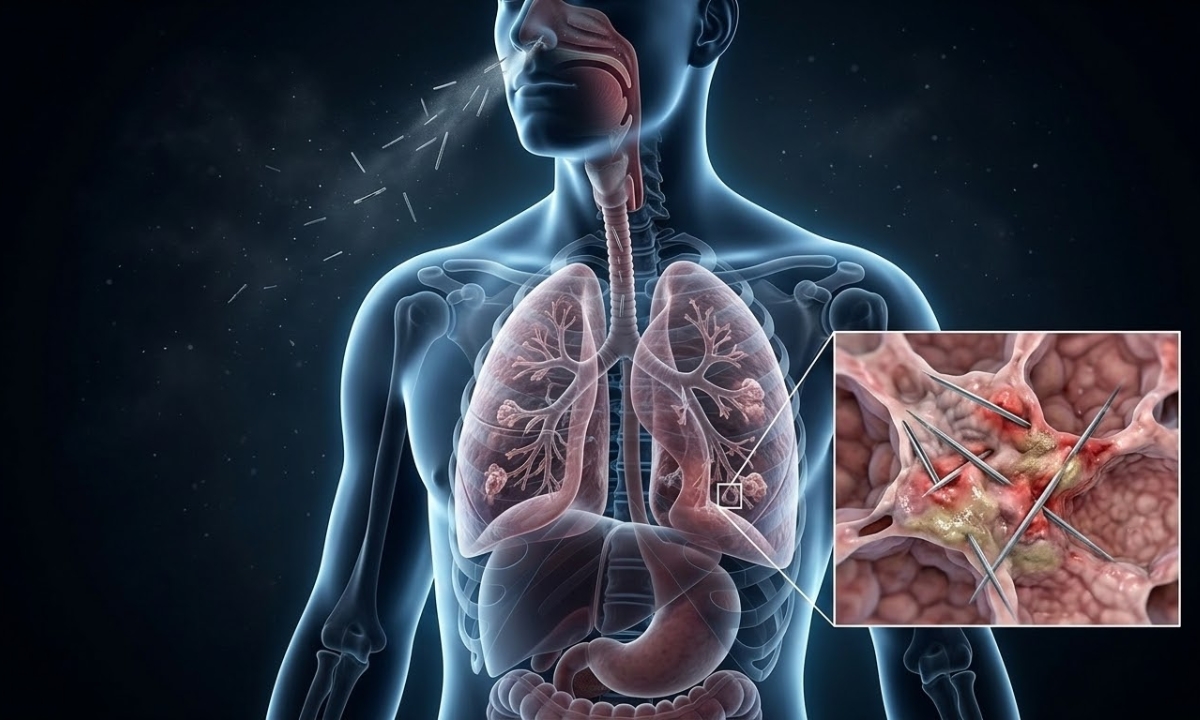
How Asbestos Fibers Affect the Human Body
When asbestos-containing materials are broken, cut, or drilled, tiny fibers are released into the air. These fibers are so small that they can easily be inhaled and lodge deep in the lungs.
Once inhaled, the body cannot easily remove them.
Over time, this can lead to serious health problems.
Diseases Caused by Asbestos Exposure
Exposure to asbestos is linked to several life-threatening diseases:
- Mesothelioma – a rare cancer affecting the lining of the lungs and abdomen
- Lung cancer
- Asbestosis – chronic lung scarring
- Pleural thickening – thickening of lung membranes
According to the World Health Organization, thousands of people die each year due to asbestos-related diseases.
Learn more here: https://www.who.int/news-room/fact-sheets/detail/asbestos
READ MORE: Asbestos Testing in Surrey
Legal Requirements for Asbestos Testing
Government Regulations and Compliance
Many governments have strict regulations requiring asbestos testing before renovation or demolition begins.
These laws exist to protect:
- Construction workers
- Building occupants
- Nearby communities
- Waste management workers
Failing to conduct proper asbestos inspections can lead to:
- Project shutdowns
- Heavy fines
- Legal liability
Why Testing Is Mandatory Before Renovation
Renovation often involves cutting, drilling, or removing building materials. If those materials contain asbestos, the work can release hazardous fibers into the environment.
Testing ensures that hazardous materials are identified and handled safely before work begins.
Why Is Asbestos Testing Required Before Demolition or Renovation?
1. Protect Worker Health
Construction workers face the highest risk of asbestos exposure. Testing ensures workers know where asbestos exists so proper safety procedures can be implemented.
2. Prevent Airborne Contamination
Without testing, demolition may release asbestos fibers into the surrounding environment. These fibers can travel long distances through air currents.
3. Ensure Safe Removal Procedures
If asbestos is present, certified abatement professionals must remove it using specialized containment methods.
These include:
- Negative air pressure systems
- Sealed containment zones
- Specialized protective equipment
4. Avoid Legal Penalties
Regulatory agencies often require asbestos surveys before issuing demolition permits. Skipping this step can result in significant fines.
5. Protect Building Occupants
During renovations, residents or office workers may still occupy parts of the building. Testing prevents accidental exposure.
6. Environmental Protection
Improper handling of asbestos can contaminate soil, air, and nearby buildings. Testing helps ensure safe disposal procedures.
7. Proper Waste Management
Asbestos-containing materials must be disposed of in designated hazardous waste facilities. Testing identifies these materials early.
How Asbestos Testing Is Performed
Professional Asbestos Inspection
A certified asbestos inspector typically performs the testing process. This includes:
- Visual inspection of the building
- Identification of suspect materials
- Collection of material samples
- Laboratory analysis
Only trained professionals should collect samples because disturbing materials incorrectly can release fibers.
Laboratory Analysis
Samples are analyzed using specialized microscopes to detect asbestos fibers.
Common testing methods include:
- Polarized Light Microscopy (PLM)
- Transmission Electron Microscopy (TEM)
These methods determine the presence and concentration of asbestos.
When Asbestos Testing Is Required
Testing is typically required in the following situations:
- Before building demolition
- Before major renovation projects
- When purchasing older commercial properties
- During environmental assessments
- Before removing insulation or flooring materials
Buildings constructed before the 1990s are more likely to contain asbestos.
Cost of Asbestos Testing
The cost of asbestos testing varies depending on:
- Size of the building
- Number of samples collected
- Location of materials
- Laboratory analysis fees
Typical costs may include:
| Service | Estimated Cost |
| Basic asbestos inspection | $200 – $800 |
| Laboratory sample testing | $50 – $150 per sample |
| Full asbestos survey | $1,000 – $3,000 |
Although testing adds to project costs, it can prevent expensive legal and health issues later.
What Happens If Asbestos Is Found?
If asbestos is detected, the next step is asbestos abatement.
Asbestos Abatement Process
The process typically involves:
- Sealing off the affected area
- Using protective suits and respirators
- Removing materials carefully
- Sealing waste in labeled containers
- Transporting waste to approved disposal facilities
After removal, air testing may be conducted to confirm the area is safe.
Best Practices for Property Owners
To manage asbestos risks effectively:
- Always conduct testing before renovation
- Hire licensed asbestos inspectors
- Follow government safety regulations
- Use certified abatement contractors
- Keep documentation for compliance
These steps protect both health and legal responsibility.
Frequently Asked Questions (FAQs)
1. Is asbestos testing required before every renovation?
In many regions, asbestos testing is required before major renovations, especially in buildings constructed before asbestos bans or restrictions.
2. Can homeowners test for asbestos themselves?
While DIY testing kits exist, professional inspectors are recommended because improper sampling can release dangerous fibers.
3. How long does asbestos testing take?
Most inspections take a few hours, while laboratory results typically take 1–3 days.
4. Is asbestos dangerous if left undisturbed?
Asbestos is generally safe when intact and undisturbed. The risk arises when materials are damaged or disturbed.
5. What buildings are most likely to contain asbestos?
Buildings constructed between the 1940s and 1980s are most likely to contain asbestos materials.
6. Do demolition permits require asbestos reports?
Yes. Many municipalities require asbestos inspection reports before issuing demolition permits.
Conclusion
Understanding why asbestos testing is required before demolition or renovation is crucial for ensuring safety, legal compliance, and environmental protection. Asbestos exposure can cause severe diseases, and disturbing asbestos-containing materials during construction activities can release dangerous fibers into the air.
By conducting proper asbestos testing before renovation or demolition, property owners can identify hazards early, follow safe removal procedures, and protect workers and occupants. While testing adds an extra step to construction projects, it is a critical safeguard that prevents long-term health risks and costly legal consequences.
READ MORE: